Buy audioengineering.eu ?
We are moving the project
audioengineering.eu .
Are you interested in purchasing the domain
audioengineering.eu ?
domain@kv-gmbh.de · 0541-91531010
Buy audioengineering.eu ?
Do you have tips for mixing and mastering in FL Studio?
When mixing and mastering in FL Studio, it's important to start by organizing your tracks and using proper gain staging to ensure a clean and balanced mix. Utilize the mixer to apply EQ, compression, and other effects to each track, paying attention to frequency clashes and dynamics. When mastering, use a limiter to control the overall volume and ensure a consistent sound across all tracks. Additionally, referencing your mix on different speakers and headphones can help you identify any issues that need to be addressed. **
How can I measure oxygen saturation without equipment?
One way to measure oxygen saturation without equipment is by using the pulse oximetry method. This involves checking the color of your fingernails or lips to see if they are turning blue or gray, which can indicate low oxygen levels. Another method is to monitor your breathing and heart rate - if you are experiencing shortness of breath or a rapid heart rate, it could be a sign of low oxygen saturation. However, it's important to note that these methods are not as accurate as using a pulse oximeter, so if you have concerns about your oxygen levels, it's best to seek medical attention. **

Similar search terms for Measure
Top-Angebote
Products related to Measure:


-
Which studio headphones are suitable for mixing and mastering up to 130 euros?
There are several studio headphones that are suitable for mixing and mastering within the 130 euro price range. Some popular options include the Audio-Technica ATH-M50x, the Sennheiser HD 280 Pro, and the Beyerdynamic DT 770 Pro. These headphones are known for their accurate sound reproduction, comfortable fit, and durable build quality, making them ideal for critical listening and professional audio work. It's important to consider your specific needs and preferences when choosing the right pair of studio headphones for mixing and mastering. **
-
What is more important: Mixing or Mastering?
Both mixing and mastering are crucial stages in the music production process, but they serve different purposes. Mixing involves balancing and blending individual tracks to create a cohesive and polished sound, while mastering focuses on enhancing the overall audio quality and preparing the final mix for distribution. Ultimately, both are equally important in achieving a professional and high-quality end result, and neglecting either stage can impact the overall sound of the music. **
-
How do I measure a tape measure?
To measure with a tape measure, first locate the end of the tape and line it up with the starting point of the object you want to measure. Then, pull the tape measure along the object until you reach the end point. Take note of the measurement where the end of the object lines up with the tape measure. Make sure to read the measurement at eye level to ensure accuracy. If the tape measure has both imperial and metric units, be sure to use the correct units for your measurement. **
-
How do you measure with a tape measure?
To measure with a tape measure, first, ensure the tape measure is fully extended and the end is securely anchored at the starting point. Then, align the beginning of the tape measure with the edge of the object or surface you are measuring. Next, read the measurement where the other end of the object or surface ends. Make sure the tape measure is straight and not twisted to ensure an accurate measurement. **

What is the order for mixing and mastering?
The typical order for mixing and mastering is as follows: 1. Mixing: This involves adjusting the levels, panning, and equalization of individual tracks to create a balanced and cohesive sound. 2. Editing: This step involves cleaning up any imperfections in the audio, such as removing clicks, pops, or background noise. 3. Mastering: This is the final step, where the overall tonal balance, dynamics, and loudness of the entire mix are optimized for distribution and playback on various systems. Following this order ensures that the individual tracks are mixed properly before being combined and mastered for a polished final product. **
How do I measure size with a tape measure?
To measure size with a tape measure, first, ensure the tape measure is straight and not twisted. Place the end of the tape measure at one point of the object you want to measure, and then extend the tape measure to the other end of the object. Read the measurement where the tape measure meets the end of the object. Make sure to note the units being used (inches, centimeters, etc.) for an accurate measurement. **
Top-Angebote
Products related to Measure:
-
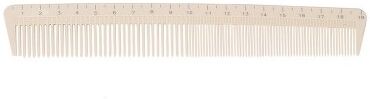
Bifull Cutting Comb 10 Measure Line Measure scale 19cmHealth and Beauty Brushes Bifull Cutting Comb 10 Measure Line Measure scale 19cm High-quality professional combs with built-in ruler for precise measurements. The length of the hair can be measured during cutting or styling. Ideal for teaching, easily readable. Polycarbonate material, durable and hard to break, chemical resistant and heat resistant. Perfect spike finish to protect the scalp. Comb cut 10cm.2,05 £*Shipping: 3,99 £Secure redirect to the provider
-
Do you have tips for mixing and mastering in FL Studio?
When mixing and mastering in FL Studio, it's important to start by organizing your tracks and using proper gain staging to ensure a clean and balanced mix. Utilize the mixer to apply EQ, compression, and other effects to each track, paying attention to frequency clashes and dynamics. When mastering, use a limiter to control the overall volume and ensure a consistent sound across all tracks. Additionally, referencing your mix on different speakers and headphones can help you identify any issues that need to be addressed. **
-
How can I measure oxygen saturation without equipment?
One way to measure oxygen saturation without equipment is by using the pulse oximetry method. This involves checking the color of your fingernails or lips to see if they are turning blue or gray, which can indicate low oxygen levels. Another method is to monitor your breathing and heart rate - if you are experiencing shortness of breath or a rapid heart rate, it could be a sign of low oxygen saturation. However, it's important to note that these methods are not as accurate as using a pulse oximeter, so if you have concerns about your oxygen levels, it's best to seek medical attention. **
-
Which studio headphones are suitable for mixing and mastering up to 130 euros?
There are several studio headphones that are suitable for mixing and mastering within the 130 euro price range. Some popular options include the Audio-Technica ATH-M50x, the Sennheiser HD 280 Pro, and the Beyerdynamic DT 770 Pro. These headphones are known for their accurate sound reproduction, comfortable fit, and durable build quality, making them ideal for critical listening and professional audio work. It's important to consider your specific needs and preferences when choosing the right pair of studio headphones for mixing and mastering. **
-
What is more important: Mixing or Mastering?
Both mixing and mastering are crucial stages in the music production process, but they serve different purposes. Mixing involves balancing and blending individual tracks to create a cohesive and polished sound, while mastering focuses on enhancing the overall audio quality and preparing the final mix for distribution. Ultimately, both are equally important in achieving a professional and high-quality end result, and neglecting either stage can impact the overall sound of the music. **
Similar search terms for Measure
-
How do I measure a tape measure?
To measure with a tape measure, first locate the end of the tape and line it up with the starting point of the object you want to measure. Then, pull the tape measure along the object until you reach the end point. Take note of the measurement where the end of the object lines up with the tape measure. Make sure to read the measurement at eye level to ensure accuracy. If the tape measure has both imperial and metric units, be sure to use the correct units for your measurement. **
-
How do you measure with a tape measure?
To measure with a tape measure, first, ensure the tape measure is fully extended and the end is securely anchored at the starting point. Then, align the beginning of the tape measure with the edge of the object or surface you are measuring. Next, read the measurement where the other end of the object or surface ends. Make sure the tape measure is straight and not twisted to ensure an accurate measurement. **
-
What is the order for mixing and mastering?
The typical order for mixing and mastering is as follows: 1. Mixing: This involves adjusting the levels, panning, and equalization of individual tracks to create a balanced and cohesive sound. 2. Editing: This step involves cleaning up any imperfections in the audio, such as removing clicks, pops, or background noise. 3. Mastering: This is the final step, where the overall tonal balance, dynamics, and loudness of the entire mix are optimized for distribution and playback on various systems. Following this order ensures that the individual tracks are mixed properly before being combined and mastered for a polished final product. **
-
How do I measure size with a tape measure?
To measure size with a tape measure, first, ensure the tape measure is straight and not twisted. Place the end of the tape measure at one point of the object you want to measure, and then extend the tape measure to the other end of the object. Read the measurement where the tape measure meets the end of the object. Make sure to note the units being used (inches, centimeters, etc.) for an accurate measurement. **
* All prices are inclusive of VAT and, if applicable, plus shipping costs. The offer information is based on the details provided by the respective shop and is updated through automated processes. Real-time updates do not occur, so deviations can occur in individual cases. ** Note: Parts of this content were created by AI.